
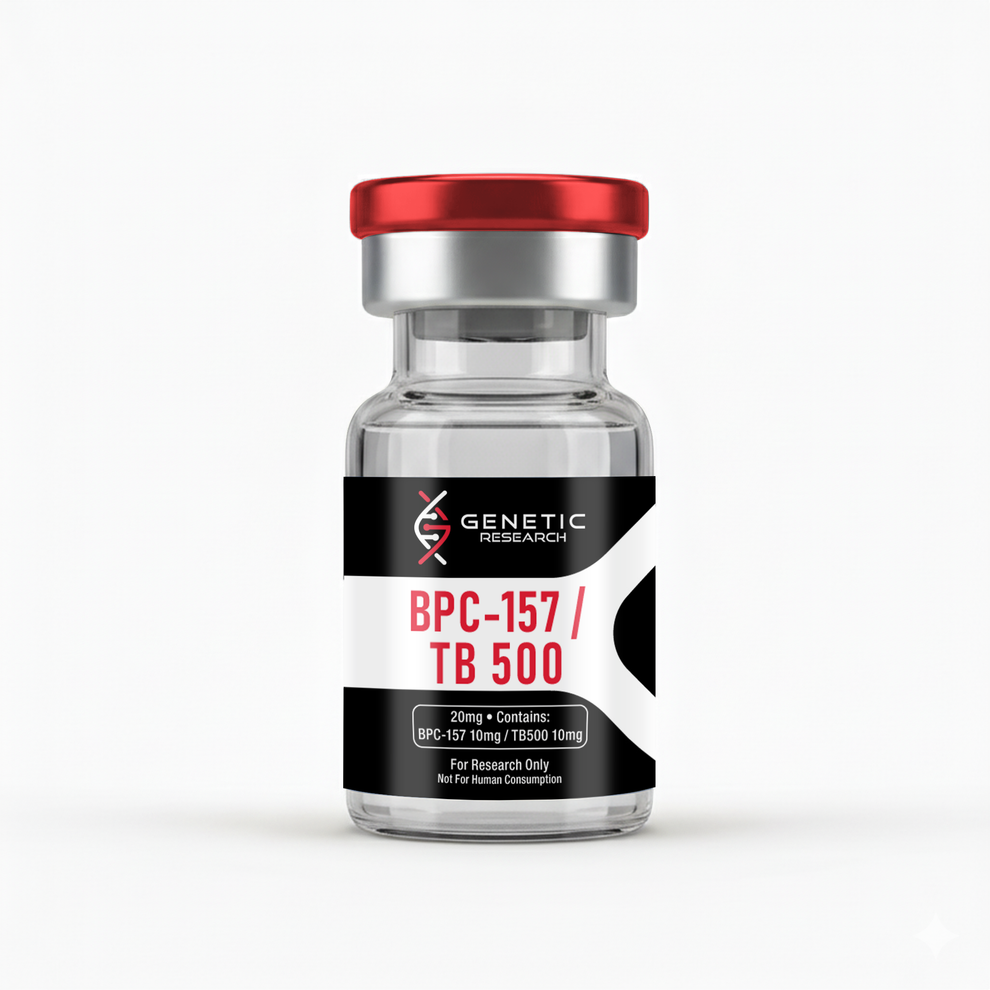
Full Checklist Of The Leading 100 Peptide Providers
Top-tier labs typically report peptide purity well above 95%, often ≥ 98-99%, by using state-of-the-art HPLC and MS analyses. They also test both basic materials and ended up peptide vials, which helps catch any kind of impurities, destruction items, or formula inconsistencies. This level of detailed evaluation guarantees the peptide's accuracy-- implying the sequence and pureness are exactly as labeled-- which is crucial for speculative reproducibility. By confirming make-up with multiple validated techniques, research laboratory recognition warranties that scientists obtain a high-purity peptide that will do as expected in the laboratory. Trusted laboratories use proven testing methods to analyze peptide samples and verify their purity and chemical make-up.Is 95% purity good for peptides?
Peptides with an 85% purity level or better are usually utilized in enzyme assays or biological activity studies. Peptides with purity more than 95% are exceptional for measurable evaluation.
Specific Scientists
Understanding what the information implies guides your choices concerning the examined product. Endotoxins are lipopolysaccharides from gram-negative germs. Even trace quantities can trigger pyrogenic (fever-inducing) feedbacks in humans. Endotoxins are very heat-stable, so regular sterilization can not damage them. They also stick well to lab equipment, enabling contamination to spread conveniently. Any considerable discrepancy suggests the sample isn't the declared peptide. If you presume 100% content when the real content is 75%, your calculated doses are 25% less than intended. This clarifies why some researchers report weaker impacts than expected despite complying with published procedures. ESI-MS (Electrospray Ionization Mass Spectrometry) generates multiply-charged ions, which makes it possible for analysis of larger peptides and offers greater level of sensitivity. ESI is typically combined with fluid chromatography (LC-MS), integrating splitting up and recognition in a solitary evaluation. The effects of poor quality peptides prolong past wasted money.- Scientist frequently reference Janoshik screening when reviewing new vendors or verifying cases.The pureness number requires approach context and supporting result, such as HPLC chromatograms and identity verification by MS, linked to a batch-specific COA.This is why much longer peptides are more challenging to generate at high pureness and typically cost even more.